Marrakech 2026, Digital Oasis Where Blockchain Meets the Future of Travel

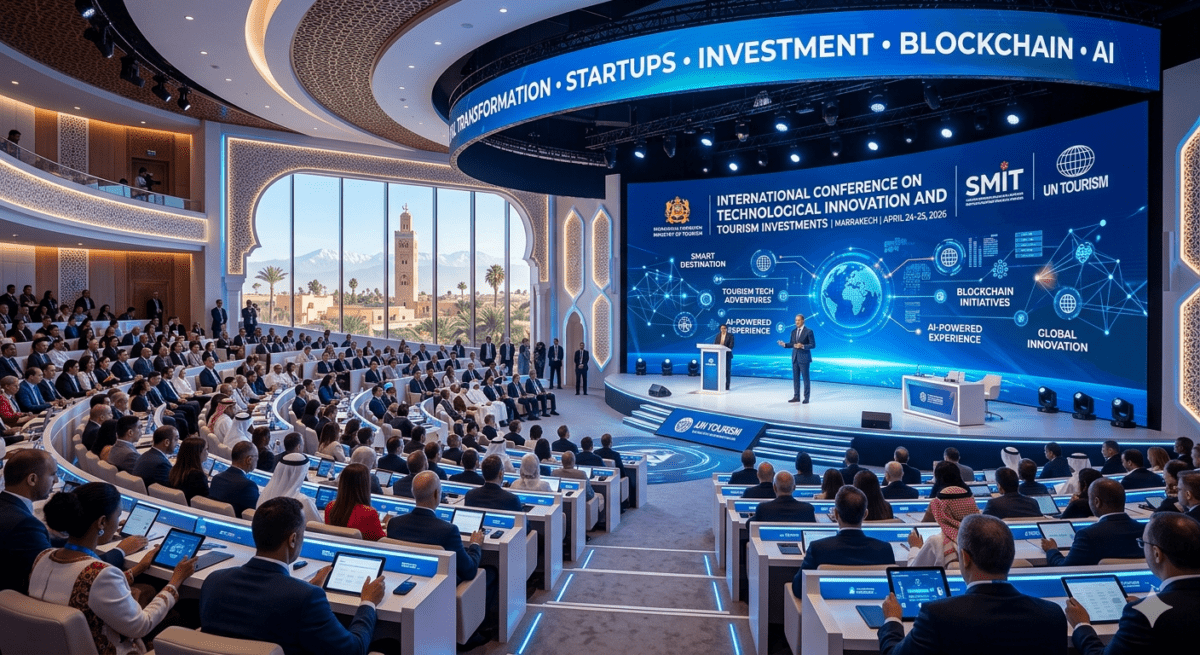
The International Conference on Technological Innovation and Tourism Investments, held in Marrakech from April 24–25, 2026, represents a watershed moment for the African and global tourism sectors. Co-organized by the Moroccan Ministry of Tourism, the Moroccan Agency for Tourism Development (SMIT), and UN Tourism, the summit transformed the “Ochre City” into a global laboratory for the future of travel.

The event’s core mission was to bridge the gap between traditional tourism infrastructure and the rapid evolution of the “Digital Age,” specifically focusing on how Blockchain, Artificial Intelligence (AI), and Decentralized Finance (DeFi) can democratize investment and enhance the traveller experience.

1. A Strategic Vision: Digital Transformation

The conference opened with a clear mandate from Moroccan officials and UN Tourism leadership: tourism must evolve from a service-based industry into a technology-driven ecosystem. As Morocco prepares to co-host the 2030 FIFA World Cup, the government is leveraging these summits to position the country as a “Smart Destination.”

A primary theme was the integration of Blockchain technology to solve long-standing industry pain points. Speakers highlighted how blockchain could:

  • Streamline Payments: Reducing high commission fees from traditional banks and intermediaries through stablecoins and smart contracts.
  • Identity Management: Implementing secure, decentralized digital IDs to expedite airport processing and hotel check-ins.
  • Supply Chain Transparency: Allowing eco-conscious travelers to verify the “green” credentials of hotels and local suppliers through immutable digital ledgers.

2. The “Tourism Tech Adventures” Startup Spotlight

A highlight of the summit was the UN Tourism Tech Adventures competition. This segment was designed to provide a platform for startups that are redefining the “Customer Journey.” Over 200 startups applied, with finalists pitching solutions that ranged from:

  • Hyper-Personalized AI Concierges: Bots that use predictive analytics to curate itineraries based on real-time mood and local event data.
  • Virtual Reality (VR) Pre-Trips: Platforms allowing investors and tourists to “walk through” planned developments or heritage sites before they are built or visited.
  • Tokenized Real Estate: Blockchain-based models that allow small-scale investors to buy “fractions” of luxury hotel developments, traditionally reserved for institutional giants.

3. Fostering Investment in a New Era

The “Investment” pillar of the conference focused on the shifting landscape of capital. SMIT emphasized that for Morocco to reach its goal of 26 million tourists by 2030, investment must move beyond “brick and mortar” into Agri-Tourism and Eco-Tech.

Key panels discussed the rise of Impact Investing, where capital is deployed specifically into startups that support local Moroccan cooperatives. By using blockchain-based tracking, investors can see exactly how their funds support rural infrastructure, creating a “Circle of Trust” that attracts international ESG (Environmental, Social, and Governance) funds.

4. Marrakech as a Hub for Digital Nomadism

The summit also addressed the growing trend of Digital Nomads. With the rise of remote work, Marrakech is positioning itself not just as a weekend getaway, but as a long-term hub for tech talent. Discussions focused on the “Digital Nomad Visa” and the infrastructure needed—high-speed 5G, co-working spaces, and tech-friendly banking—to support a workforce that lives and works on the move.

5. Challenges and the Road to 2030

Despite the optimism, the conference did not shy away from challenges. Experts noted that while Blockchain offers security, the “Digital Divide” remains a hurdle. For technology to truly transform tourism, it must be inclusive. This means ensuring that a small guesthouse in the Atlas Mountains has the same access to digital payment tools and AI-driven marketing as a five-star resort in Marrakech.

The summit concluded with the “Marrakech Declaration on Tourism Innovation,” a commitment by participating nations to harmonize digital regulations and support a cross-border “innovation corridor” between Africa and Europe.

Conclusion

The 2026 International Conference on Technological Innovation and Tourism Investments was more than a networking event; it was a roadmap. By placing Blockchain and AI at the center of the conversation, Marrakech has signaled its intent to lead the next generation of global tourism—one that is smarter, more transparent, and deeply integrated with the digital economy.
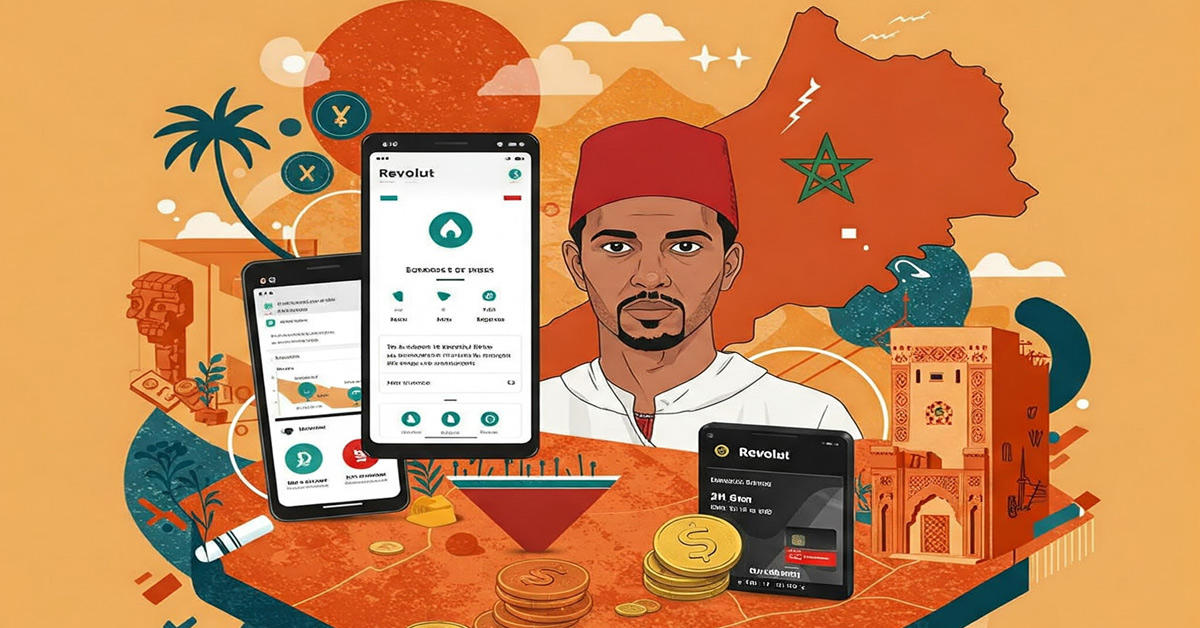
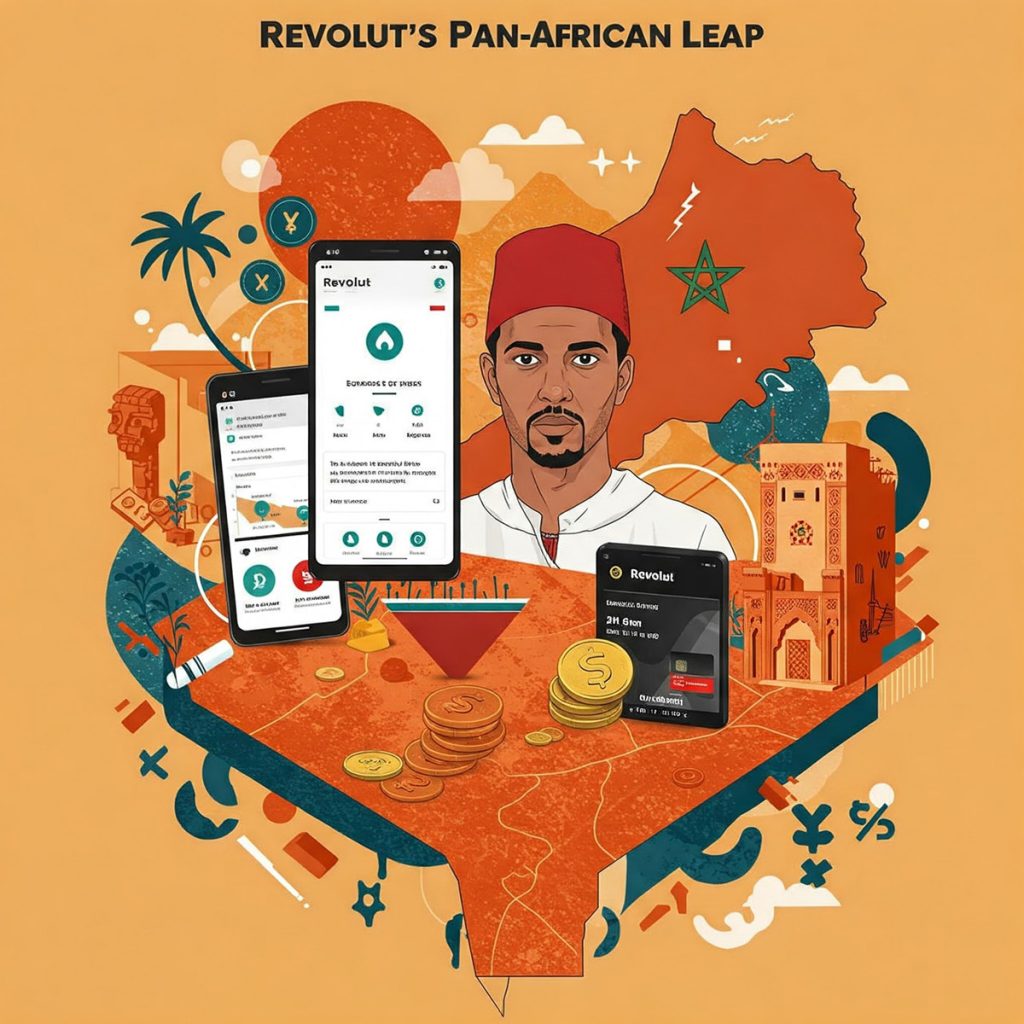
¿Revolut in Morocco, theory or fact?

Revolut-Morocco-theory-fact

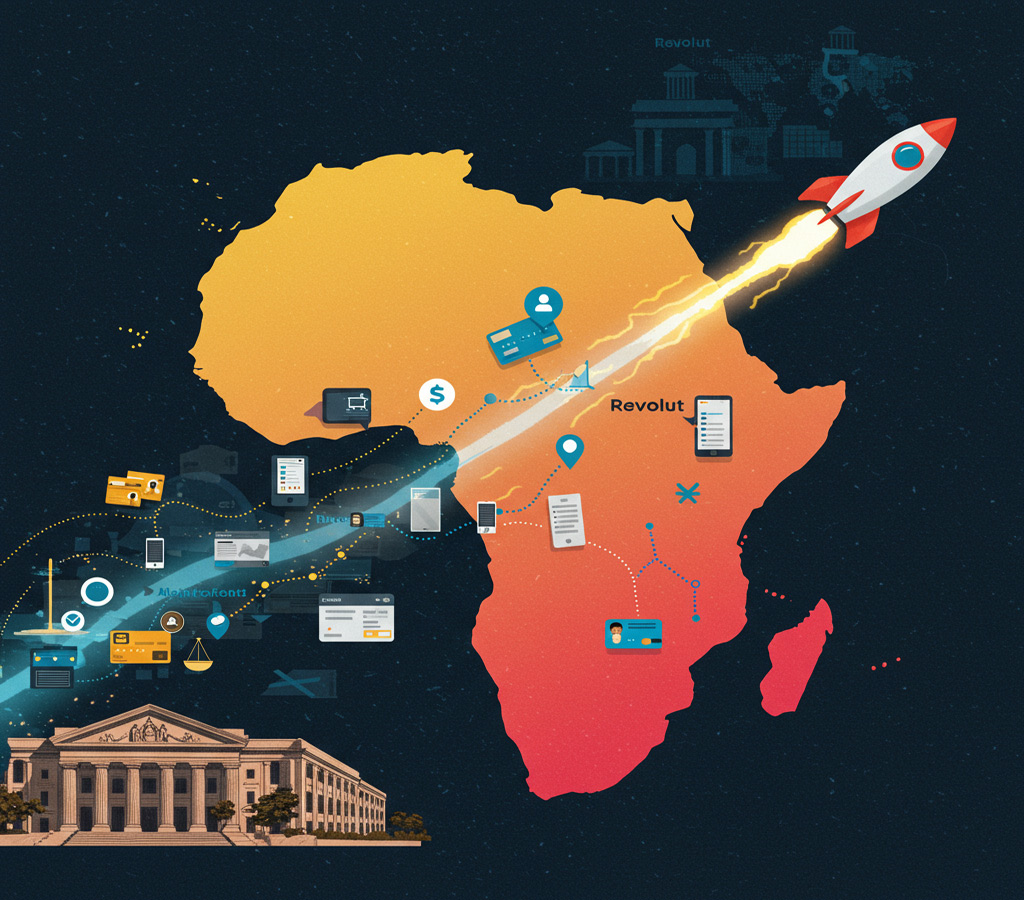
Revolut’s Leap: Pan-African Potential and Disruption 🚀

As Revolut begins its expansion on the African continent by applying for a banking license in South Africa 🇿🇦, Morocco 🇲🇦 could well be the next step. Amine Mekkaoui, expert in fintech and digital transformation and Sales Director Africa & Middle East at PayTic, deciphers the opportunities this would represent for the financial ecosystem in Morocco but also the risks of disruption for historical players.

Revolut has officially filed an application for a license in South Africa 🇿🇦, confirming the growing interest of international neobanks in emerging African markets 🌍. A bold strategic choice in a context where several major banks (Barclays, BNP Paribas, Société Générale, Crédit Agricole, Standard Chartered…) have recently reduced their exposure to the continent due to lack of profitability 📉.

Morocco 🇲🇦, with a growing banking rate 📈, a structured regulator and a mature banking sector, could constitute a logical next step. The hypothetical arrival of a player like Revolut would entail several major systemic consequences.

First, it would profoundly redefine the banking experience 🏦. Revolut offers a fully digital customer journey 📱, instant visualization of expenses 📊, intelligent alerts 🔔 and dynamic virtual cards 💳. Faced with this, Moroccan banks, often still focused on physical branches and poorly ergonomic digital platforms, would be pushed to invest massively in redesigned and fluid omnichannel journeys.

Secondly, this arrival would exert significant pressure on local non-banking revenues 💰. Revolut’s aggressive offers (low-cost international transfers 💸, multi-currency cards without fees 💳, competitive currency exchange services 💱) directly affect the traditional sources of non-interest income of Moroccan banks, particularly commissions on international transactions and currency exchange fees. To retain their customers, especially younger generations sensitive to price transparency, banks would have to adapt their pricing policy, with a tangible risk of erosion of margins on their historical products.

Revolut in Morocco imminent ? 🤔

Furthermore, regulatory adaptation would be essential 📜. Bank Al-Maghrib would have to develop a specific framework adapted to hybrid models like that of Revolut, ensuring effective supervision in a fully digital environment. This would necessarily involve strengthening regulatory requirements in terms of KYC, AML and data protection in a branchless environment.

A catalyst for the Moroccan fintech ecosystem 🚀

Finally, the entry of Revolut could be a decisive catalyst for the Moroccan fintech ecosystem 💡. Faced with such an advanced technological competitor, local banks would be encouraged to strengthen their partnerships with local fintechs, stimulating the development of solutions such as open banking 🤝, account aggregation 🧮, or intelligent savings tools 🎯.

However, a major challenge would remain: technological asymmetry 💻. Faced with a neobank built on a cloud-native ☁️ and API-first architecture, Moroccan banks would have to imperatively accelerate the modernization of their historical IT systems, costly and not very agile, in order to guarantee their long-term competitiveness 🏆.

The arrival of Revolut in Morocco is probably only a matter of time. The real question remains: Who will be ready?

Source

Translated by fulbridge.com (BBA Morocco member) and adapted from L’arrivée de Revolut au Maroc, simple hypothèse ou scénario imminent

The broader perspectives: 5 key points

The Revolut Model: Banking Revolution at Your Fingertips

Revolut has established itself as a major player in fintech, disrupting traditional banking codes. Its model is based on a 100% digital customer experience, transparent pricing, and a diversified range of services, from multi-currency current accounts to budgeting tools.

The key advantages of the Revolut model are:

  • Optimized user experience: Intuitive mobile application, fast account opening, and real-time financial management.
  • Competitive pricing: Reduced fees on international transactions, currency exchange, and overseas withdrawals.
  • Diversified service offering: Multi-currency accounts, virtual cards, budgeting tools, stock and cryptocurrency trading.
  • Technological innovation: Cloud-native and API-first architecture, enabling rapid updates and the integration of new features.
  • International reach: Presence in many countries, facilitating cross-border transactions.

Revolut in Morocco: Challenges and Opportunities in a Changing Market

Revolut’s arrival in Morocco would represent both an opportunity and a challenge. Morocco, with its growing banking rate and mature banking sector, is an attractive market for neobanks. However, the non-convertibility of the Moroccan dirham could complicate Revolut’s service offering, particularly in terms of currency exchange.

To successfully establish itself in Morocco, Revolut will need to:

  • Adapt to local regulations, particularly regarding currency exchange and fund transfers.
  • Develop partnerships with local players to facilitate access to banking services.
  • Offer innovative solutions that meet the specific needs of the Moroccan market.

South Africa: A Launchpad for Revolut’s African Expansion

The choice of South Africa as the first step in Revolut’s African expansion is strategic. This country, with its dynamic economy and developed financial sector, offers a favorable environment for neobanks. Obtaining a banking license in South Africa would allow Revolut to consolidate its presence on the continent and serve as a springboard for its expansion into other African countries.

Competition and Perspectives: Africa, a Booming Market for Fintechs

Revolut is not the only fintech company interested in the African market. Other players, such as Wise, are also exploring the opportunities offered by the continent. In Morocco, traditional banks will need to accelerate their digital transformation to face competition from neobanks.

Beyond the scope: The neobank market in Africa

Sources with African Focus:

Below are the 3 best neobanks and digital banks in Africa in 2024.

  1. Eversend. Technically, a French startup, Eversend is now one of Africa’s biggest currency exchange platforms and an all-in-one borderless money app. Offered services include virtual USD cards, personal loans, individual and group savings, donations, cryptocurrency trading, crowdsourcing, and currency conversion. It is best for multi-currency accounts.
  2. Kuda. Kuda is Nigeria’s first mobile-only bank licensed by the Central Bank. It offers personal and business virtual bank accounts and automatic savings. It is best for zero card maintenance fees and free transfers.
  3. OurPass. Launched in 2021, OurPass is a neobank for businesses revolutionising commerce in Nigeria. Being a one-click checkout company, OurPass plans to become a global business neobank.

When researching this topic it is important to understand that the african market is very diverse, and growth rates can vary wildly from country to country.

Create a Business Online in Morocco: National Rollout

Create-a-Business-Online-in-Morocco-fb

Morocco has taken a significant stride in its economic modernization with the nationwide launch of the online business registration platform, directentreprise.ma. This initiative, spearheaded by the Moroccan Office of Industrial and Commercial Property (OMPIC), marks a pivotal moment in the country’s efforts to foster a more dynamic and accessible business environment. The platform aims to simplify the often complex process of establishing a new company, reducing bureaucratic hurdles and empowering entrepreneurs across the nation.

Centralized Digital Hub for Business Creation

Directentreprise.ma serves as a centralized digital hub, allowing entrepreneurs to complete all necessary administrative procedures online. This eliminates the need for time-consuming and often frustrating in-person visits to multiple government offices. By integrating key institutions such as OMPIC, the Ministry of Justice, the General Secretariat of the Government, the General Directorate of Taxes (DGI), and the National Social Security Fund (CNSS), the platform provides a seamless and efficient experience for those looking to create a business online in Morocco.

“This digital platform is a cornerstone of our efforts to modernize Morocco’s business environment,”

Phased Implementation and National Expansion

The platform’s journey to nationwide implementation began with a pilot program in Rabat in February 2023. This initial phase allowed industry professionals, including notaries, lawyers, and accountants, to test the system and provide valuable feedback. Following the pilot’s success, the platform was gradually rolled out to major cities across Morocco in 2024. This strategic rollout to cities like Casablanca, Marrakech, Agadir, Tangier, Fès, Oujda, Laâyoune, Béni Mellal, and Dakhla ensured that the platform’s benefits will be accessible to a wider range of entrepreneurs before its full national launch.

Impact and Adoption Metrics

The platform’s adoption has been rapid and widespread. To date, over 12,000 businesses have been registered through directentreprise.ma, demonstrating its effectiveness and the strong demand for streamlined business registration processes. Furthermore, more than 2,400 professionals have registered to provide assistance to entrepreneurs, ensuring that users have access to the support they need to navigate the process.

“This digital platform is a cornerstone of our efforts to modernize Morocco’s business environment,” stated a high-ranking official from the Ministry of Industry and Trade. “By simplifying administrative procedures and leveraging technology, we are empowering entrepreneurs and driving economic growth. We are commited to making Morocco a competitive place for business.”

Legal and Regulatory Reforms Enabling Digital Transformation

The implementation of the online platform necessitated significant legal reforms, reflecting the Moroccan government’s commitment to creating a modern and efficient regulatory framework. Key among these reforms are Law 88.17, which establishes the framework for electronic business registration and support, and Law 89.17, which modernizes the Commercial Code. These legislative changes are part of a broader effort to modernize the administration and attract both domestic and foreign investment.

The success of this project is the result of close collaboration between OMPIC and various government bodies, including the Ministry of Industry and Trade, the Ministry of Justice, and the Ministry of Economy and Finance. This collaborative approach has been crucial in ensuring the platform’s smooth implementation and its alignment with the country’s broader economic development goals.

The initiative signifies Morocco’s commitment to leveraging technology to drive economic progress and create a more business-friendly environment.

Victim of it’s own success?

At the time of writing, directentreprise.ma website is down.

Sources: