🕌 The Paradox of Paradise: Over-Tourism in Marrakech
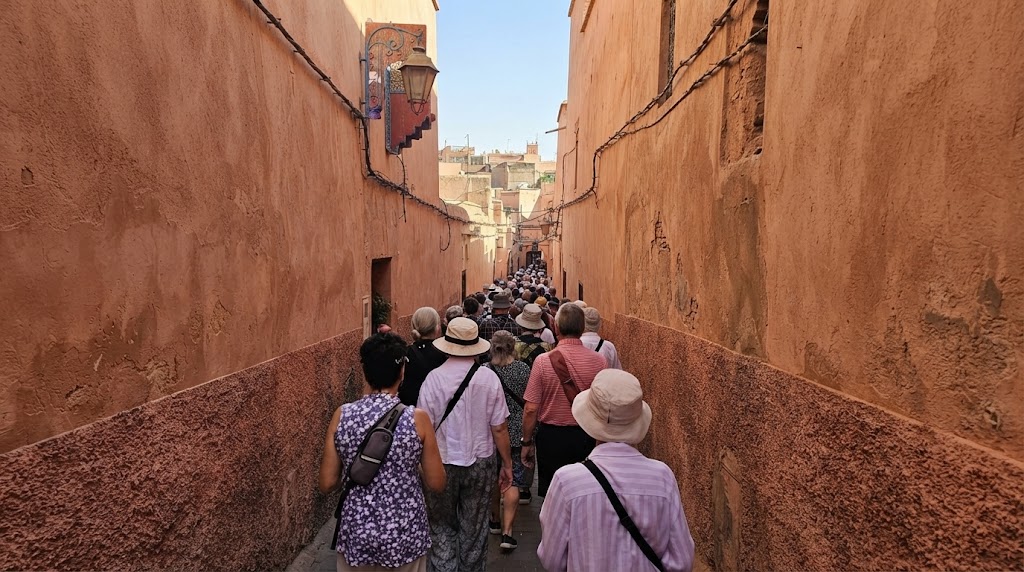
Marrakech is a city of two completely different worlds 🌍. To millions of travelers packing their bags 🧳, it feels like an enchanting doorway into rich history, stunning Moorish architecture, and bustling souks 🏺. But behind those romantic postcards lies a growing reality: the city is wrestling with a massive wave of over-tourism 📈. As record numbers of visitors pour into the historic Red City, local residents are left feeling the squeeze, sparking a fierce debate about whether booming success is coming at too high a price.
🏗️ The Strain on Everyday Life and Infrastructure
The rapid expansion of the hospitality industry has turned the local housing market upside down 🏠📉. Long-term Marrakchis are facing soaring housing costs and a steeper cost of living, largely because traditional family homes are being snapped up and flipped into short-term tourist rentals.
On top of that, the massive seasonal foot traffic places intense pressure on local infrastructure and vital natural resources—especially water in an arid climate. Roads get congested, public systems strain under the weight, and daily life for locals becomes a constant exercise in patience. Expressing deep frustration with how hyper-commercialization has altered the city’s heartbeat, one resident noted:
“Marrakech has been turned into a Moroccan Disneyland to drive tourism revenue… at the expense of the local community.”
Capturing the mental fatigue caused by relentless sales pitches, another local shared:
“The city is so toxic. Everyone is trying to sell something. And many don’t know when to stop… The people are killing the place slowly.”
🧭 Cultural Friction and the Visitor Experience
For tourists, the experience can feel wonderfully electric—or utterly overwhelming ⚡. While some love the lively pulse of Jemaa el-Fna square, many backpackers and independent travelers land expecting a smooth welcome only to face aggressive touts, persistent scams, and high-pressure sales.
For first-timers, this can paint a harsh picture of the country as a whole. Speaking on this common pitfall, a national tour guide observed:
“I’m so tired of reading trip reports where people landed in Marrakech, spent 3 days getting harassed in Jemaa el-Fna, and went home telling everyone Morocco is ‘exhausting’ and ‘aggressive.’ Marrakech is not Morocco. Marrakech is Marrakech… it’s the loudest most performative version of it… built for people who are only going to stay 4 days.”
While tourism is a massive engine for job creation and artisan businesses, balancing those financial wins against the daily comfort and cultural preservation of residents remains a delicate tightrope walk.
📌 Source Attribution for Quotes
“I’m so tired of reading trip reports where people landed in Marrakech…” — Sourced from a national tour guide addressing skewed foreign perceptions.
“Marrakech has been turned into a Moroccan Disneyland…” — Sourced from local commentary on regional over-commercialization.
“The city is so toxic. Everyone is trying to sell something…” — Sourced from local resident testimonials regarding medina stress.
🌿 Charting a Sustainable Path Forward: What Can Be Done?
Addressing the complex friction of over-tourism requires moving beyond passive lamentation toward structural intervention. Academic literature, global NGO recommendations, and successful urban case studies emphasize that the solution does not lie in halting tourism entirely, but in smart management, regulatory governance, and equitable redistribution.
For a historic hub like Marrakech, mitigating over-tourism demands a multi-layered approach centered on carrying capacities, community empowerment, and spatial diversification.
1. Regulatory Governance and Housing Protection
Academic studies analyzing urban over-tourism crises—particularly in heavily visited European cities like Barcelona—demonstrate that unregulated short-term rentals (such as platforms converting permanent homes into tourist units) are primary drivers of housing inflation and neighborhood displacement.
Strict Licensing Caps: Municipal authorities can curb residential displacement by enforcing strict caps and non-renewable zoning laws on short-term tourist apartments, safeguarding long-term housing stock for local families.
Zoning Protections: Establishing protected residential zones within and around historic medinas ensures that commercial guesthouses do not entirely swallow up indigenous community life.
2. Spatial and Temporal Diversification (De-seasonality)
A core finding in sustainable tourism research is that overcrowding is often a matter of poor distribution rather than raw visitor numbers alone.
Dispersing Visitor Flows: NGOs and destination management organizations advocate for promoting alternative itineraries that steer travelers away from hyper-concentrated micro-hotspots (like Jemaa el-Fna) and toward lesser-known cultural districts or regional day-trips.
Temporal Dispersal: Encouraging de-seasonality through targeted marketing campaigns for shoulder and off-peak months helps flatten demand curves, easing the sudden, crushing strain on water supplies and urban infrastructure during peak travel windows.
3. Collaborative Governance and Community Empowerment
Successful frameworks highlighted by global tourism bodies stress that local populations must hold active decision-making power rather than bearing the externalized costs of growth.
Participatory Urban Planning: Implementing collaborative governance models ensures that neighborhood associations, artisan cooperatives, and municipal leaders co-design local tourism policies.
Civic Revenue Reinvestment: A dedicated percentage of tourist taxes should be legally mandated for direct reinvestment into municipal infrastructure, public water conservation initiatives, and neighborhood upkeep rather than solely fueling private marketing budgets.
4. Re-educating the Market and Visitor Segmentation
Combating aggressive commercialization and traveler friction starts before tourists ever step foot on the ground.
Managing Expectations: National tourism boards and operators must shift away from promoting a hyper-performative, frantic version of cultural destinations. Transparent messaging that encourages slow travel, cultural respect, and ethical engagement filters out low-quality mass tourism in favor of conscious travelers.
Tackling Touts and Harassment: Enforcing strict municipal regulations against unlicensed guides, aggressive street hawking, and deceptive pricing protects the visitor experience while restoring dignity and peace to public spaces for residents.
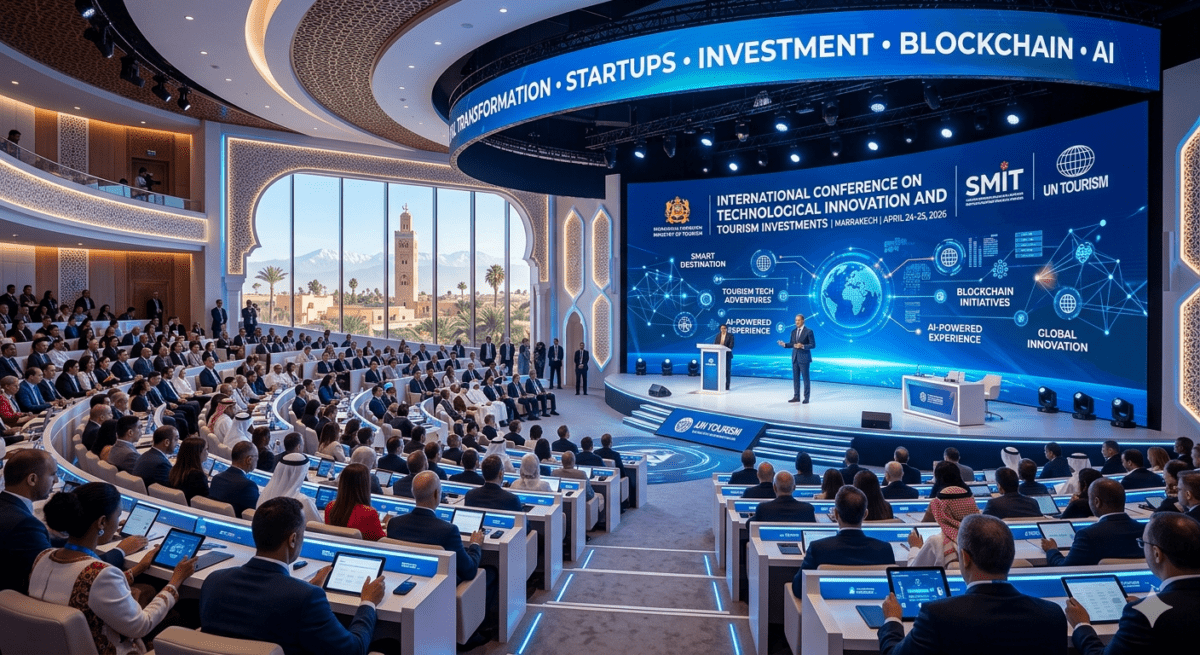
The International Conference on Technological Innovation and Tourism Investments, held in Marrakech from April 24–25, 2026, represents a watershed moment for the African and global tourism sectors. Co-organized by the Moroccan Ministry of Tourism, the Moroccan Agency for Tourism Development (SMIT), and UN Tourism, the summit transformed the “Ochre City” into a global laboratory for the future of travel.
The event’s core mission was to bridge the gap between traditional tourism infrastructure and the rapid evolution of the “Digital Age,” specifically focusing on how Blockchain, Artificial Intelligence (AI), and Decentralized Finance (DeFi) can democratize investment and enhance the traveller experience.
1. A Strategic Vision: Digital Transformation
The conference opened with a clear mandate from Moroccan officials and UN Tourism leadership: tourism must evolve from a service-based industry into a technology-driven ecosystem. As Morocco prepares to co-host the 2030 FIFA World Cup, the government is leveraging these summits to position the country as a “Smart Destination.”
A primary theme was the integration of Blockchain technology to solve long-standing industry pain points. Speakers highlighted how blockchain could:
Streamline Payments: Reducing high commission fees from traditional banks and intermediaries through stablecoins and smart contracts.
Identity Management: Implementing secure, decentralized digital IDs to expedite airport processing and hotel check-ins.
Supply Chain Transparency: Allowing eco-conscious travelers to verify the “green” credentials of hotels and local suppliers through immutable digital ledgers.
2. The “Tourism Tech Adventures” Startup Spotlight
A highlight of the summit was the UN Tourism Tech Adventures competition. This segment was designed to provide a platform for startups that are redefining the “Customer Journey.” Over 200 startups applied, with finalists pitching solutions that ranged from:
Hyper-Personalized AI Concierges: Bots that use predictive analytics to curate itineraries based on real-time mood and local event data.
Virtual Reality (VR) Pre-Trips: Platforms allowing investors and tourists to “walk through” planned developments or heritage sites before they are built or visited.
Tokenized Real Estate: Blockchain-based models that allow small-scale investors to buy “fractions” of luxury hotel developments, traditionally reserved for institutional giants.
3. Fostering Investment in a New Era
The “Investment” pillar of the conference focused on the shifting landscape of capital. SMIT emphasized that for Morocco to reach its goal of 26 million tourists by 2030, investment must move beyond “brick and mortar” into Agri-Tourism and Eco-Tech.
Key panels discussed the rise of Impact Investing, where capital is deployed specifically into startups that support local Moroccan cooperatives. By using blockchain-based tracking, investors can see exactly how their funds support rural infrastructure, creating a “Circle of Trust” that attracts international ESG (Environmental, Social, and Governance) funds.
4. Marrakech as a Hub for Digital Nomadism
The summit also addressed the growing trend of Digital Nomads. With the rise of remote work, Marrakech is positioning itself not just as a weekend getaway, but as a long-term hub for tech talent. Discussions focused on the “Digital Nomad Visa” and the infrastructure needed—high-speed 5G, co-working spaces, and tech-friendly banking—to support a workforce that lives and works on the move.
5. Challenges and the Road to 2030
Despite the optimism, the conference did not shy away from challenges. Experts noted that while Blockchain offers security, the “Digital Divide” remains a hurdle. For technology to truly transform tourism, it must be inclusive. This means ensuring that a small guesthouse in the Atlas Mountains has the same access to digital payment tools and AI-driven marketing as a five-star resort in Marrakech.
The summit concluded with the “Marrakech Declaration on Tourism Innovation,” a commitment by participating nations to harmonize digital regulations and support a cross-border “innovation corridor” between Africa and Europe.
Conclusion
The 2026 International Conference on Technological Innovation and Tourism Investments was more than a networking event; it was a roadmap. By placing Blockchain and AI at the center of the conversation, Marrakech has signaled its intent to lead the next generation of global tourism—one that is smarter, more transparent, and deeply integrated with the digital economy.
Meet new people, relax amongst friends or network for business
TLDR: BBAM is hosting a great networking social event on Thursday October 16th, at 7 PM at the Royal Tennis Club Marrakech. It’s open to everyone (members and non-members) and is a perfect chance to connect with the anglophone business community.
Who: Open to ALL (BBAM Members and Non-Members are welcome!)
Don’t miss a fantastic opportunity to expand your network at the British Business Association Morocco’s (BBAM) upcoming social event in the beautiful city of Marrakech. Whether you are a long-time member, a new resident, or simply interested in connecting with the anglophone business community in Morocco, this event is the perfect platform for social and professional connection.
The evening is designed for effortless networking, providing a relaxed and welcoming atmosphere for all attendees. It’s a chance to meet influential professionals, share insights, explore potential collaborations, and build valuable relationships across various sectors. The BBAM is committed to fostering a strong community of individuals and companies who do business, live, or work in Morocco, and this event embodies that mission.
Critically, this event is open to everyone—BBAM members and non-members alike are encouraged to attend. We believe that a broader network benefits the entire community, and we look forward to welcoming a diverse group of professionals.
Mark your calendar for Tuesday, October 16th, starting at 7:00 PM.
Venue Details: We are delighted to host this event at the prestigious Royal Tennis Club Marrakech (RTCMA), a stunning and centrally located venue that provides a perfect setting for a memorable evening.
Where? We will be arranging a shuttle for guests to be picked up at the Post office parking in Gueliz at 15.30 and another at 16.00 on the 22nd. You must let us know if you are going to use this shuttle. Shuttle will cost 50dhs per person return, payable to the driver.
Who? BBAMorocco Members and their guests. Please tell your friends and bring as many as you can, all are welcome, we just need to know numbers in advance.
What This will be a great afternoon and time to enjoy the gardens and the pool, listen to a fabulous Storyteller, provided by our very own Mike Wood, and enjoy a great BBQ meal and evening with friends. Food and one welcome drink are included.
We hope you will all support this fundraising effort and look forward to seeing you on the 22nd.
How? We will be taking payments at our monthly meeting this Wednesday, and online payments can be made to bank details below:
Account name: British Business Association Morocco Account number: 011450000002200003945203 Bank name : BMCE Bank address: 137 Av. Mohammed V, 40000 Marrakech
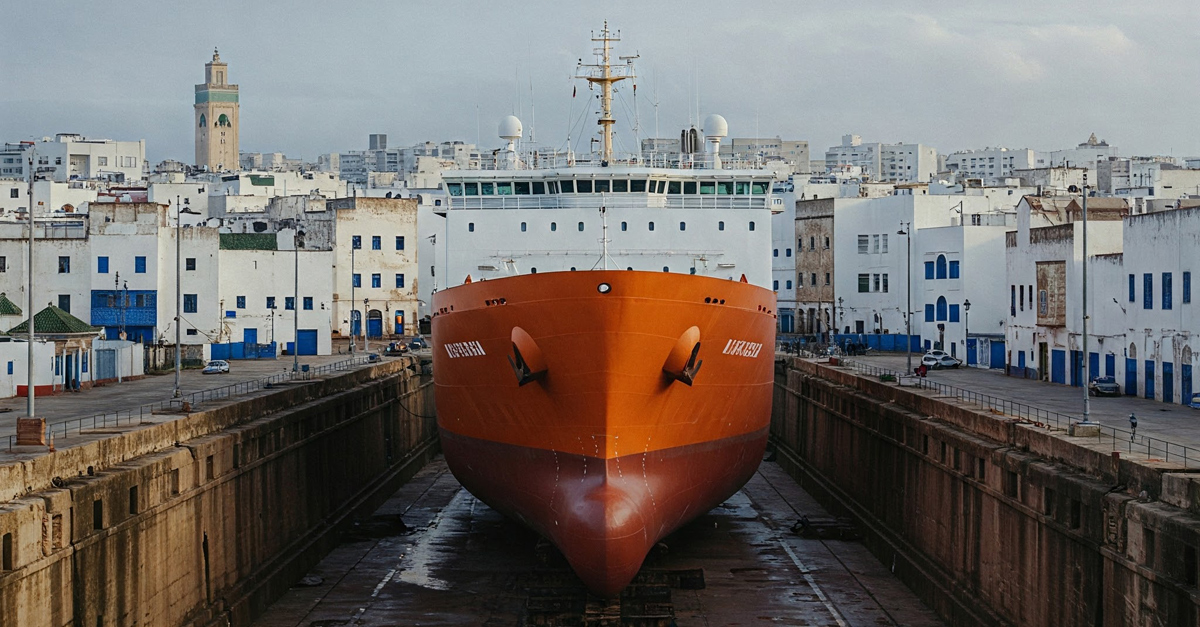
Morocco has initiated an international tender for the concession, development, equipping, operation, and maintenance of what is slated to become Africa’s largest shipyard. Located in Casablanca, this ambitious $300 million project signifies a strategic move to enhance Morocco’s maritime capabilities and establish the nation as a key player in the regional and continental maritime industry. The National Ports Agency (ANP), a state-run entity, is spearheading this initiative, seeking experienced operators for a 30-year concession to manage the expansive 52-acre facility. This development mirrors Morocco’s successful trajectory in the automotive sector, where it has emerged as a significant exporter to the European Union. The government aims to replicate this industrial prowess in the maritime domain, fostering economic growth and technological advancement.
State-of-the-Art Infrastructure
The tender documents released by the ANP provide detailed specifications of the planned infrastructure. Key installations will include a substantial 244-meter by 40-meter dry dock, capable of accommodating large vessels for repair and maintenance. Additionally, a 150-meter by 28-meter lifting platform with a 9,000-tonne capacity will enable efficient handling of various ship types. The facility will also feature a 62-meter by 13-meter basin equipped with a 450-ton gantry crane, further enhancing its operational capabilities. Complementing these core structures will be 820 linear meters of outfitting quays, providing ample space for post-docking work, and 21 hectares of open terrain dedicated to operational activities and logistical support. This comprehensive infrastructure underscores the scale and ambition of the project.
Attracting Global Expertise
The international tender mandates that bidding companies possess at least ten years of experience in operating comparable shipyards. This requirement aims to ensure that the project is entrusted to seasoned professionals capable of managing a facility of this magnitude and complexity. The tender allows for both independent bids and consortiums, with the latter requiring an experienced operator to lead the group. Industry sources suggest that prominent international players such as France’s Naval Group, a leading naval contractor, and South Korea’s Hyundai, the operator of the world’s largest shipyard in Ulsan, are potential frontrunners for the contract. The involvement of such experienced entities highlights the global interest in this strategic African maritime project.
Strategic Objectives and Regional Impact
Enhancing Naval Autonomy
Beyond serving commercial and fishing vessels, the new shipyard will provide critical maintenance and repair services for Morocco’s military fleet. This capability is particularly significant as it will allow Morocco to maintain its naval vessels domestically, thereby reducing the expenditure of foreign currency on overseas services. This move aligns with Morocco’s broader strategy to strengthen its national sovereignty and reduce reliance on external entities for critical infrastructure maintenance. The timing of this development is also noteworthy, coinciding with Morocco’s plans to loosen its currency peg in 2026, making domestic maintenance a more economically sound option.
Capitalizing on Geopolitical Shifts
The project’s strategic importance has been further amplified by recent geopolitical developments. Following the autumn 2022 redirection of Russia’s fishing fleet maintenance from Spanish Canary Island ports to Moroccan organizations due to sanctions related to the Ukraine conflict, Morocco has witnessed an increased demand for its maritime services. The new shipyard is poised to capitalize on this shift, positioning Casablanca as a viable alternative for vessel maintenance in the region. This ability to adapt to and benefit from global changes underscores the strategic foresight behind the development of this large-scale facility.
Replicating Industrial Success
Morocco’s decision to invest heavily in shipbuilding follows a pattern of successful industrial expansion, most notably in the automotive sector. The Tanger-Med port’s remarkable 18.8% growth in container traffic in 2024, contrasting with the stagnation at Spain’s Algeciras port, demonstrates Morocco’s growing prominence in global trade and logistics. Similarly, the automotive industry has flourished, with Renault and Stellantis (formerly PSA) exporting over 500,000 vehicles to the European Union in 2023, valued at €15.1 billion. This sector now accounts for 27% of Morocco’s exports and 16% of its GDP, surpassing traditional revenue sources like remittances and tourism. The government aims to leverage this model of strategic investment and industrial development to propel the maritime sector to similar heights.
Economic Opportunities & Future Prospects
Boosting Local Employment and Skills
The construction and operation of Africa’s largest shipyard are expected to generate significant employment opportunities in Casablanca and the surrounding regions. The facility will require a skilled workforce across various disciplines, including boilermaking, carpentry, composites, fitting, and general operations. This influx of jobs will contribute to local economic growth and provide valuable professional development opportunities for Moroccan citizens. Furthermore, the project has the potential to become a training center for maritime professions, collaborating with local vocational institutions to enhance the skills and expertise of the national workforce in the maritime industry.
Fostering Ancillary Industries
The establishment of a major shipyard will also stimulate the growth of numerous ancillary industries. These include port services, logistics, marine equipment suppliers, and maintenance service providers. The increased maritime activity in Casablanca will create a ripple effect, benefiting a wide range of businesses and contributing to the diversification of the local economy beyond traditional sectors. This interconnected industrial ecosystem will enhance Morocco’s overall economic resilience and competitiveness in the maritime domain.
Enhancing Regional Trade and Connectivity
By providing state-of-the-art facilities for vessel repair and maintenance, the Casablanca shipyard will enhance Morocco’s role as a crucial maritime hub connecting Africa and Europe. The ability to service a wide range of vessels, including commercial, military, and fishing fleets, will attract maritime traffic and strengthen Morocco’s position in regional and international trade networks. This development aligns with Morocco’s broader strategy to improve its port infrastructure and capitalize on its strategic geographic location at the crossroads of major shipping routes.
Possible Impact for Businesses Operating in Morocco:
Increased Demand for Local Suppliers: The construction and operation of the shipyard will create significant demand for local suppliers of materials, equipment, and services. This includes steel, paints, electrical components, safety gear, and logistical support, presenting new business opportunities for Moroccan companies.
Growth in Maritime Services Sector: Businesses involved in maritime services such as ship chandling, repairs, maintenance, and marine surveying will experience increased demand due to the presence of a large shipyard and the anticipated rise in vessel traffic.
Opportunities for Joint Ventures and Partnerships: The involvement of international players in the shipyard project may lead to opportunities for Moroccan businesses to form joint ventures or partnerships, facilitating technology transfer, knowledge sharing, and access to new markets.
Development of Specialized Skills and Training: The need for a skilled workforce at the shipyard will drive demand for specialized training programs in maritime trades. Businesses offering vocational training and skills development in relevant areas can capitalize on this need.
Enhanced Port Infrastructure and Logistics: The development of the shipyard is likely to be accompanied by improvements in the surrounding port infrastructure and logistics network, benefiting all businesses that rely on efficient maritime transport.
Attraction of Foreign Investment: The ambitious nature of the shipyard project can enhance Morocco’s attractiveness as an investment destination in the maritime sector, potentially leading to further foreign direct investment in related industries.
Boost to the Local Economy: The overall economic activity generated by the shipyard, including job creation and increased business opportunities, will have a positive impact on the local economy in Casablanca and potentially other regions.
Support for the Fishing Industry: The availability of a large, local shipyard will provide better and more cost-effective maintenance and repair services for Morocco’s fishing fleet, supporting the growth and sustainability of this sector.
Potential for Shipbuilding Activities: While initially focused on repair and maintenance, the tender allows bidders to include a shipbuilding component. This could pave the way for the development of a domestic shipbuilding industry in the future, creating new opportunities for related businesses.
Quote from an Official Source:
“We aim to capture part of the demand currently handled by the overcrowded shipyards in southern Europe and serve African vessels en route to Europe,” said Abdellatif Lhouaoui, ANP’s head of communications.
Lloyd’s List: A leading source of maritime news, analysis, and intelligence, providing comprehensive coverage of the global shipping industry. (https://www.lloydslistintelligence.com/)
The Maritime Executive: An online platform offering news, articles, and analysis on various aspects of the maritime sector, including shipbuilding, ports, and shipping. (https://www.maritime-executive.com/)
DNV (Det Norske Veritas): A reputable organization providing risk management and quality assurance services to the maritime industry, with insightful publications and reports on maritime trends and technologies. (https://www.dnv.com/maritime/)
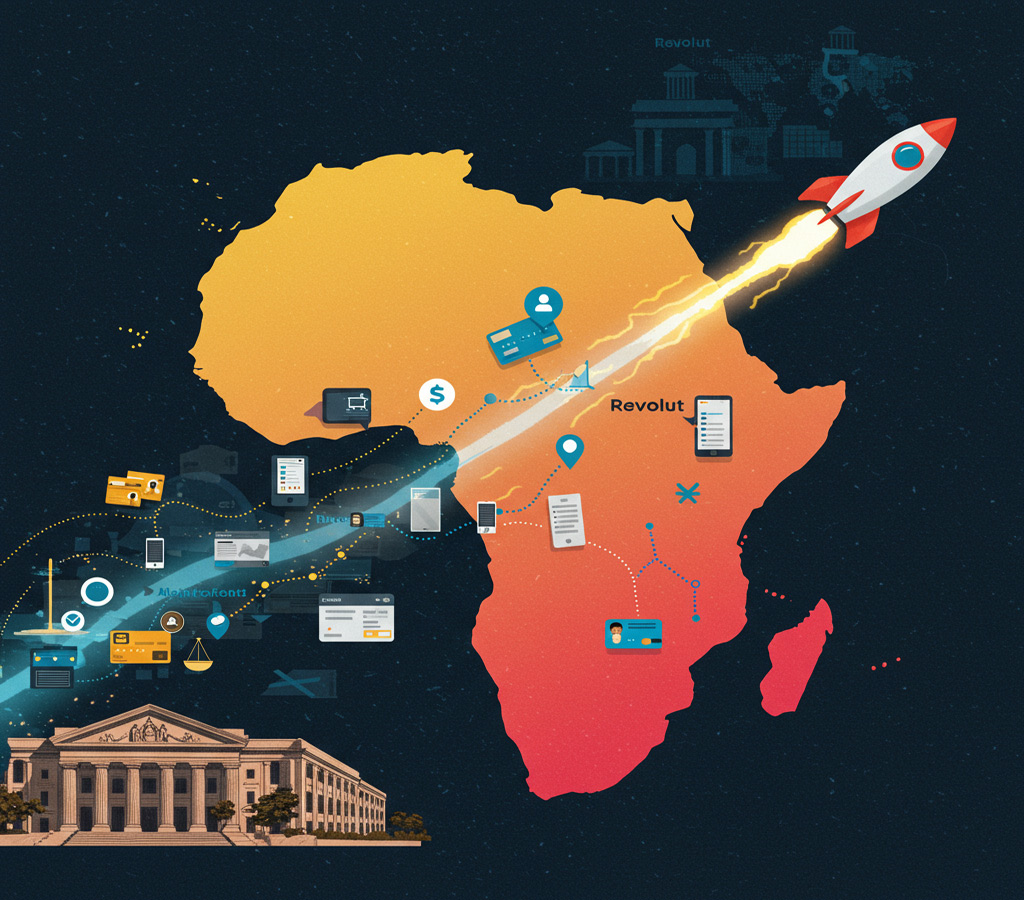
Revolut’s Leap: Pan-African Potential and Disruption 🚀
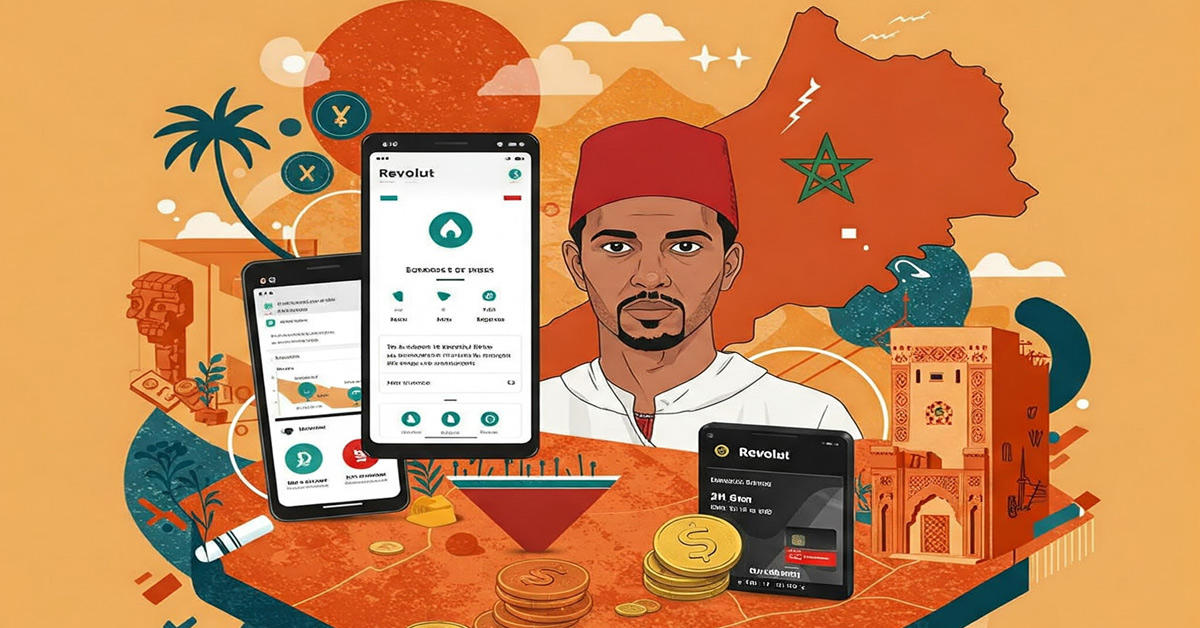
As Revolut begins its expansion on the African continent by applying for a banking license in South Africa 🇿🇦, Morocco 🇲🇦 could well be the next step. Amine Mekkaoui, expert in fintech and digital transformation and Sales Director Africa & Middle East at PayTic, deciphers the opportunities this would represent for the financial ecosystem in Morocco but also the risks of disruption for historical players.
Revolut has officially filed an application for a license in South Africa 🇿🇦, confirming the growing interest of international neobanks in emerging African markets 🌍. A bold strategic choice in a context where several major banks (Barclays, BNP Paribas, Société Générale, Crédit Agricole, Standard Chartered…) have recently reduced their exposure to the continent due to lack of profitability 📉.
Morocco 🇲🇦, with a growing banking rate 📈, a structured regulator and a mature banking sector, could constitute a logical next step. The hypothetical arrival of a player like Revolut would entail several major systemic consequences.
First, it would profoundly redefine the banking experience 🏦. Revolut offers a fully digital customer journey 📱, instant visualization of expenses 📊, intelligent alerts 🔔 and dynamic virtual cards 💳. Faced with this, Moroccan banks, often still focused on physical branches and poorly ergonomic digital platforms, would be pushed to invest massively in redesigned and fluid omnichannel journeys.
Secondly, this arrival would exert significant pressure on local non-banking revenues 💰. Revolut’s aggressive offers (low-cost international transfers 💸, multi-currency cards without fees 💳, competitive currency exchange services 💱) directly affect the traditional sources of non-interest income of Moroccan banks, particularly commissions on international transactions and currency exchange fees. To retain their customers, especially younger generations sensitive to price transparency, banks would have to adapt their pricing policy, with a tangible risk of erosion of margins on their historical products.
Revolut in Morocco imminent ? 🤔
Furthermore, regulatory adaptation would be essential 📜. Bank Al-Maghrib would have to develop a specific framework adapted to hybrid models like that of Revolut, ensuring effective supervision in a fully digital environment. This would necessarily involve strengthening regulatory requirements in terms of KYC, AML and data protection in a branchless environment.
A catalyst for the Moroccan fintech ecosystem 🚀
Finally, the entry of Revolut could be a decisive catalyst for the Moroccan fintech ecosystem 💡. Faced with such an advanced technological competitor, local banks would be encouraged to strengthen their partnerships with local fintechs, stimulating the development of solutions such as open banking 🤝, account aggregation 🧮, or intelligent savings tools 🎯.
However, a major challenge would remain: technological asymmetry 💻. Faced with a neobank built on a cloud-native ☁️ and API-first architecture, Moroccan banks would have to imperatively accelerate the modernization of their historical IT systems, costly and not very agile, in order to guarantee their long-term competitiveness 🏆.
The arrival of Revolut in Morocco is probably only a matter of time. The real question remains: Who will be ready?
The Revolut Model: Banking Revolution at Your Fingertips
Revolut has established itself as a major player in fintech, disrupting traditional banking codes. Its model is based on a 100% digital customer experience, transparent pricing, and a diversified range of services, from multi-currency current accounts to budgeting tools.
The key advantages of the Revolut model are:
Optimized user experience: Intuitive mobile application, fast account opening, and real-time financial management.
Competitive pricing: Reduced fees on international transactions, currency exchange, and overseas withdrawals.
Diversified service offering: Multi-currency accounts, virtual cards, budgeting tools, stock and cryptocurrency trading.
Technological innovation: Cloud-native and API-first architecture, enabling rapid updates and the integration of new features.
International reach: Presence in many countries, facilitating cross-border transactions.
Revolut in Morocco: Challenges and Opportunities in a Changing Market
Revolut’s arrival in Morocco would represent both an opportunity and a challenge. Morocco, with its growing banking rate and mature banking sector, is an attractive market for neobanks. However, the non-convertibility of the Moroccan dirham could complicate Revolut’s service offering, particularly in terms of currency exchange.
To successfully establish itself in Morocco, Revolut will need to:
Adapt to local regulations, particularly regarding currency exchange and fund transfers.
Develop partnerships with local players to facilitate access to banking services.
Offer innovative solutions that meet the specific needs of the Moroccan market.
South Africa: A Launchpad for Revolut’s African Expansion
The choice of South Africa as the first step in Revolut’s African expansion is strategic. This country, with its dynamic economy and developed financial sector, offers a favorable environment for neobanks. Obtaining a banking license in South Africa would allow Revolut to consolidate its presence on the continent and serve as a springboard for its expansion into other African countries.
Competition and Perspectives: Africa, a Booming Market for Fintechs
Revolut is not the only fintech company interested in the African market. Other players, such as Wise, are also exploring the opportunities offered by the continent. In Morocco, traditional banks will need to accelerate their digital transformation to face competition from neobanks.
Beyond the scope: The neobank market in Africa
Sources with African Focus:
Research and Markets:
This platform provides market research reports, including those related to the fintech and neobanking sectors in Africa.
They often cover regional trends and growth projections.
Here is a link that provides information on the neobanking market, and information relating to growth in emerging markets.
Below are the 3 best neobanks and digital banks in Africa in 2024.
Eversend. Technically, a French startup, Eversend is now one of Africa’s biggest currency exchange platforms and an all-in-one borderless money app. Offered services include virtual USD cards, personal loans, individual and group savings, donations, cryptocurrency trading, crowdsourcing, and currency conversion. It is best for multi-currency accounts.
Kuda. Kuda is Nigeria’s first mobile-only bank licensed by the Central Bank. It offers personal and business virtual bank accounts and automatic savings. It is best for zero card maintenance fees and free transfers.
OurPass. Launched in 2021, OurPass is a neobank for businesses revolutionising commerce in Nigeria. Being a one-click checkout company, OurPass plans to become a global business neobank.
When researching this topic it is important to understand that the african market is very diverse, and growth rates can vary wildly from country to country.
This content is for members only. Please join us to see
Manage Consent
To provide the best experiences, we use technologies like cookies to store and/or access device information. Consenting to these technologies will allow us to process data such as browsing behaviour or unique IDs on this site. Not consenting or withdrawing consent, may adversely affect certain features and functions.
Functional
Always active
The technical storage or access is strictly necessary for the legitimate purpose of enabling the use of a specific service explicitly requested by the subscriber or user, or for the sole purpose of carrying out the transmission of a communication over an electronic communications network.
Preferences
The technical storage or access is necessary for the legitimate purpose of storing preferences that are not requested by the subscriber or user.
Statistics
The technical storage or access that is used exclusively for statistical purposes.The technical storage or access that is used exclusively for anonymous statistical purposes. Without a subpoena, voluntary compliance on the part of your Internet Service Provider, or additional records from a third party, information stored or retrieved for this purpose alone cannot usually be used to identify you.
Marketing
The technical storage or access is required to create user profiles to send advertising, or to track the user on a website or across several websites for similar marketing purposes.